Great finds
- Non Gamstop Casinos
- Non Gamstop Casinos
- Non Gamstop Casinos
- Casinos Not On Gamstop
- UK Casinos Not On Gamstop
- Casino Non Aams Sicuri
- Siti Non Aams
- Non Gamstop Casinos UK
- Casino Not On Gamstop
- Non Gamstop Casino Sites UK
- Slots Not On Gamstop
- Non Gamstop Casinos
- UK Casino Not On Gamstop
- UK Casino Not On Gamstop Self-exclusion
- UK Casinos Not On Gamstop
- Best Non Gamstop Casinos
- Casino Sites Not On Gamstop
- Non Gamstop Casino Sites UK
- Meilleur Casino En Ligne France
- Casinos Not On Gamstop
- Best Betting Sites In UK 2025
- Meilleur Casino En Ligne France
- Casino Non Aams
- Casino Not On Gamstop
- Best Crypto Casino
- Top 10 Casino En Ligne Belgique
- Meilleur Site De Casino En Ligne Belgique
- Siti Non Aams
- ライブカジノ ルーレット
- 稼げるカジノアプリ
- ブック メーカー オッズ
- 토토사이트 추천
- плинко казино
- Nha Cai Den Tu Chau Au
- Meilleur Casino En Ligne France
- Site Casino En Ligne
- Meilleur Casino En Ligne
- 토토사이트 모음
- Casino Non Aams Sicuri
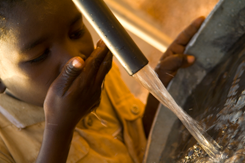
Universal access to safe water remains elusive in Africa, and the continent is unlikely to meet the Millennium Development Goal (MDG) for access to improved sources of water. What is the price tag for moving closer to universal access? To meet the MDGs, Africa would have to spend $15 billion annually, far more than the current spending of $3.6 billion. Underpricing of water and the operating inefficiencies of utilities deprive the region of about $3.7 billion in revenues each year and prevent water from being made available to the poor. But even with improvements in efficiency and cost recovery, the water sector will still confront a sizable funding gap. That gap could be narrowed through the use of simpler forms of water supply and by reallocating subsidies so that they benefit only the neediest households.